
People & Spotlights
PHS Community
For 200 years, the Pennsylvania Horticultural Society has helped shape the Philadelphia region through the power of gardening. Discover the people, milestones, and enduring impact behind its legacy, and the bold vision guiding PHS into its third century.
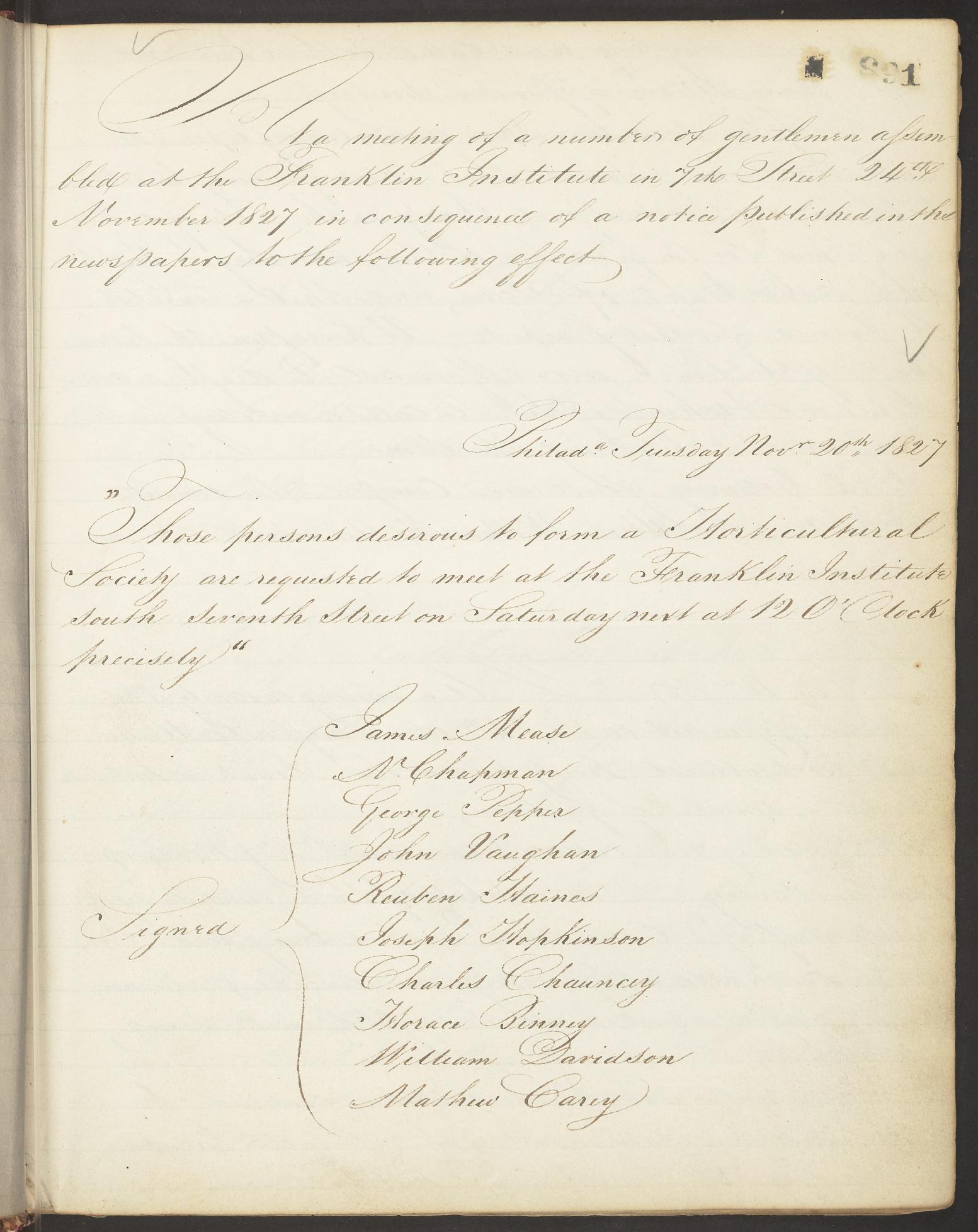
In 1827, a small notice appeared in a Philadelphia newspaper stating, “Those persons desirous to form a Horticultural Society are requested to meet at the Franklin Institute, South Seventh Street, on Saturday next at 12 o’clock precisely.” On November 24th, fifty-three Philadelphians answered the call.
Among them were physicians, businessmen, botanists, and gardening enthusiasts who shared a belief that horticulture deserved greater attention as both a science and a pursuit that could enrich everyday life.
They could hardly have imagined what their gathering would set in motion.
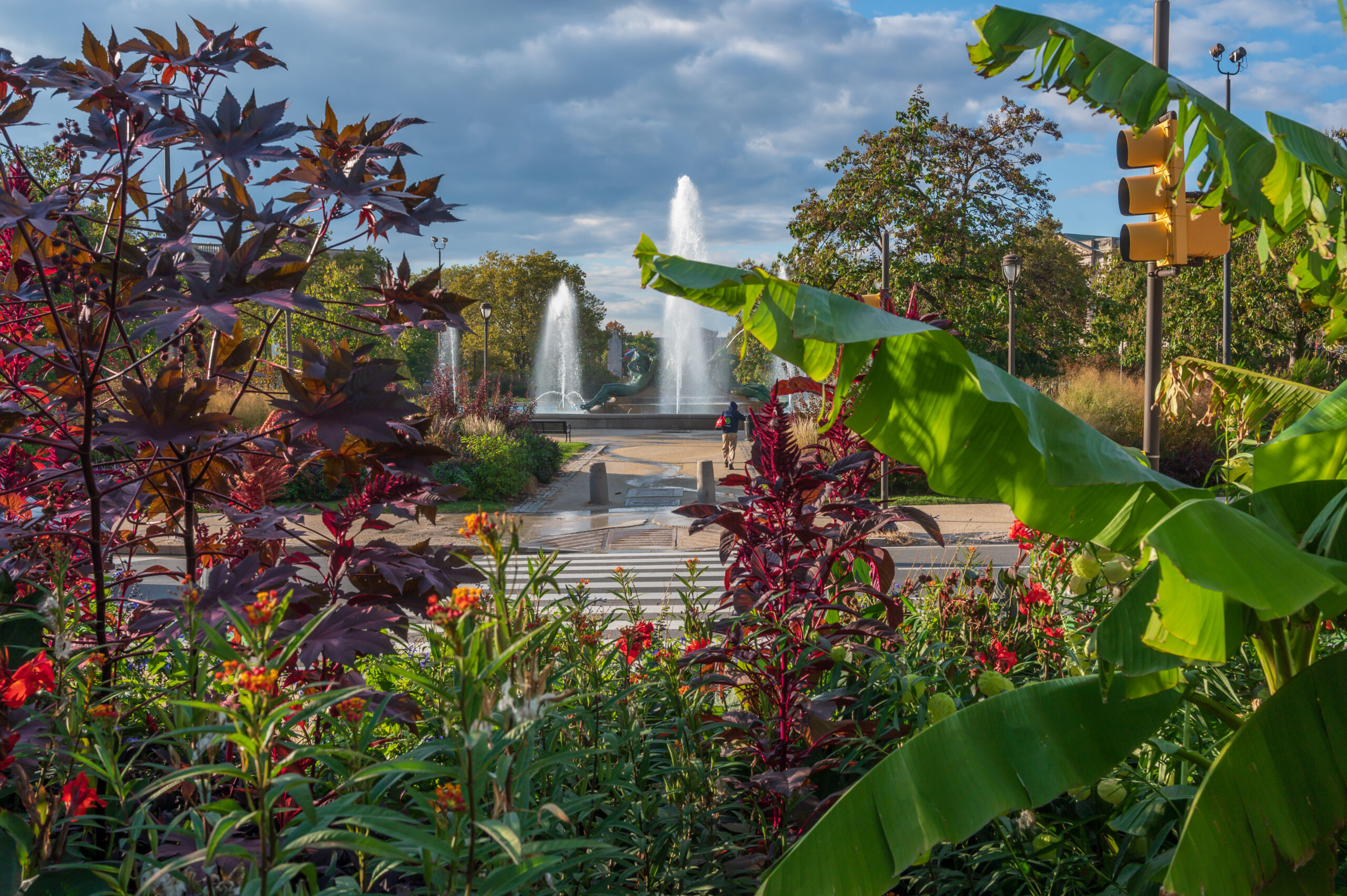
200 years later, the Pennsylvania Horticultural Society (PHS) has become an enduring part of Philadelphia’s identity. Its influence can be found in the grandeur of the Philadelphia Flower Show, the 30 thousand trees planted along neighborhood streets, hundreds of community gardens producing fresh food, over 12,000 once-vacant lots transformed into green spaces, celebrated public landscapes such as Logan Square and The Navy Yard, and numerous opportunities to learn more about gardening while building a community of friends and neighbors.
That simple invitation in the local paper would grow into something far greater than PHS’s original founders could have ever imagined. Along the way, PHS would evolve with the city itself, finding new purpose in changing times and helping shape the region’s relationship with the natural world while becoming an important force in its civic and cultural life.
The founding members were interested in more than beautiful flowers. They wanted to advance the cultivation of fruits, vegetables, and trees, introduce new plant varieties, and encourage the exchange of horticultural knowledge. Philadelphia, already a thriving center of science and commerce, offered fertile ground for their ambitions.
In 1828, just one year after its founding, PHS established what would become the nation’s oldest horticultural library, still in existence today as the PHS McLean Library. Its members were eager to learn about plants arriving in Philadelphia from around the world, and it began building relationships with other horticultural organizations in America and Europe to exchange information, seeds, and specimens.
That enthusiasm quickly found a public stage. In June 1829, PHS organized America’s first public Flower Show at the Masonic Hall at 717 Chestnut Street. Among the plants exhibited was a newcomer from Mexico: the poinsettia, which would eventually become one of the country’s most recognizable holiday plants.
Throughout the 19th century, PHS continued cultivating a growing appreciation for horticulture through exhibitions, competitions, and the sharing of expertise. Awards recognized outstanding growers and encouraged experimentation, including efforts to develop better varieties of fruits and vegetables suited to the region.
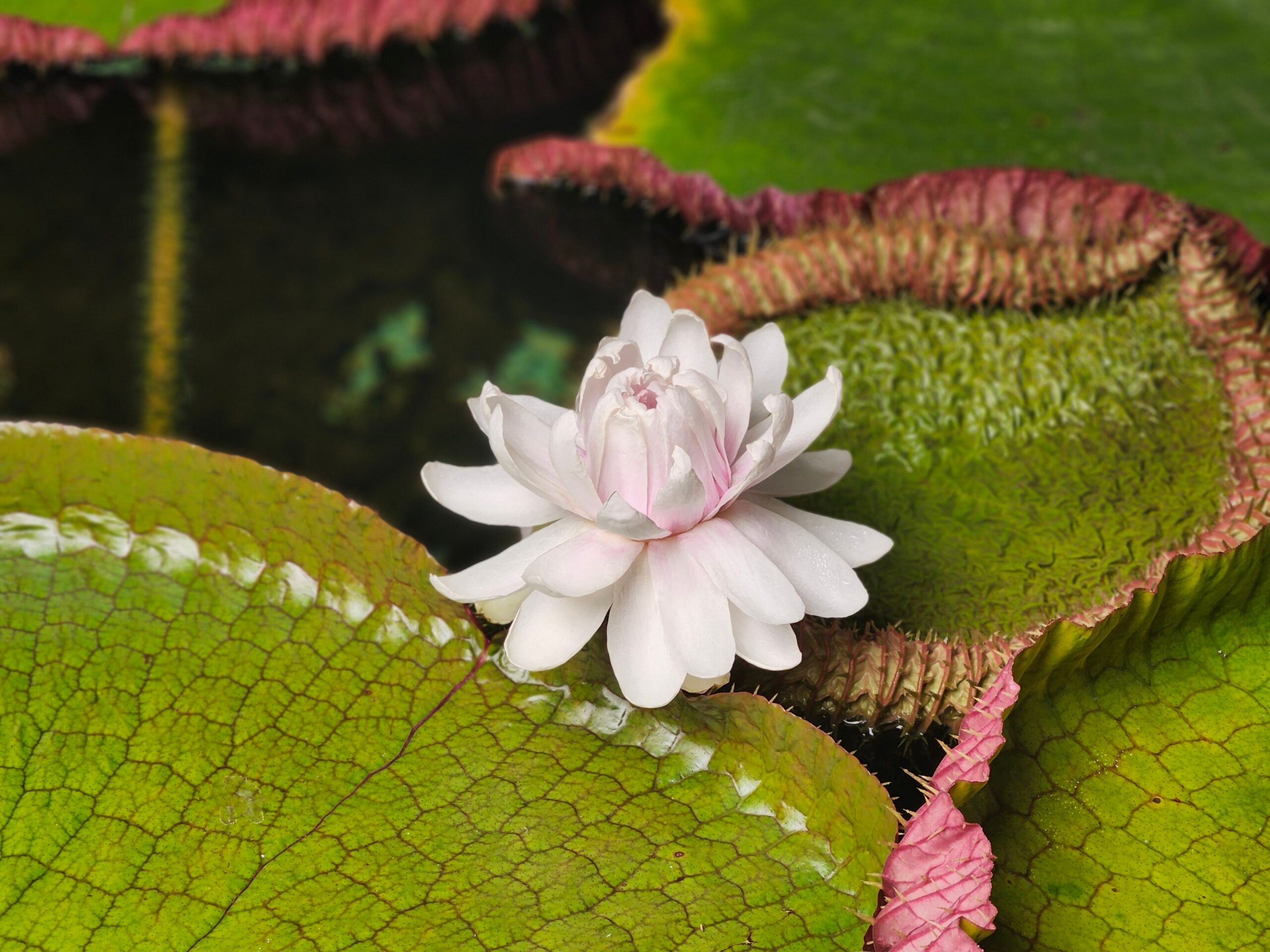
Some achievements were particularly spectacular. In 1851, PHS awarded a medal to Caleb Cope for successfully cultivating the giant South American water lily Victoria regia (now Victoria amazonica) in the United States. With floating leaves that could grow several feet across, the plant was a botanical marvel that captured the imagination of the era.
Yet its influence extended beyond showing extraordinary botanical specimens. As early as 1848, former Philadelphia Mayor and highly regarded newspaper editor, Morton McMichael observed that PHS, by bringing together people who might otherwise remain separated, had “strengthened the bonds which hold the community together.”
Nearly two centuries later, his words still capture something essential about PHS and the possibilities of gardening to create community.
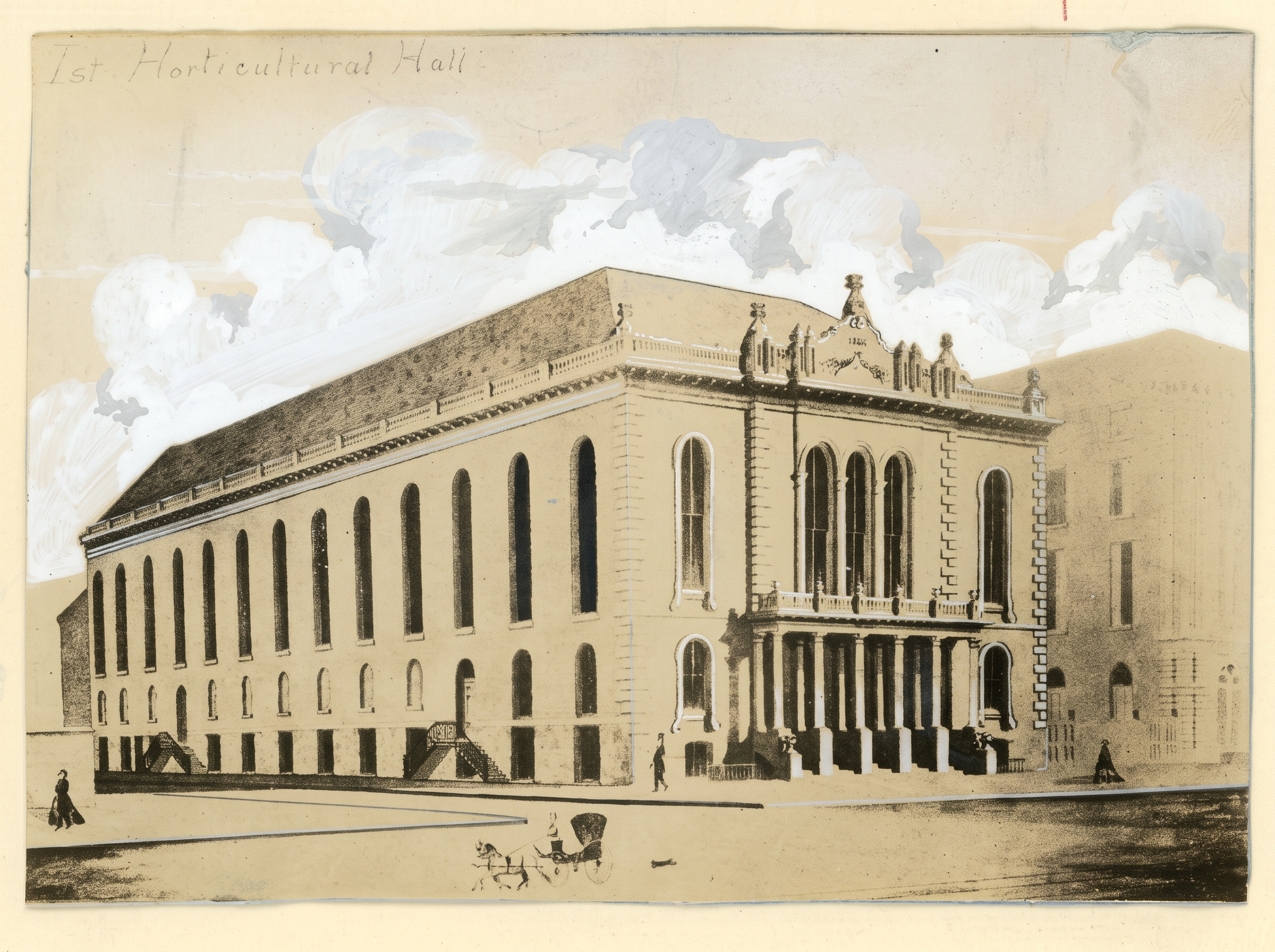
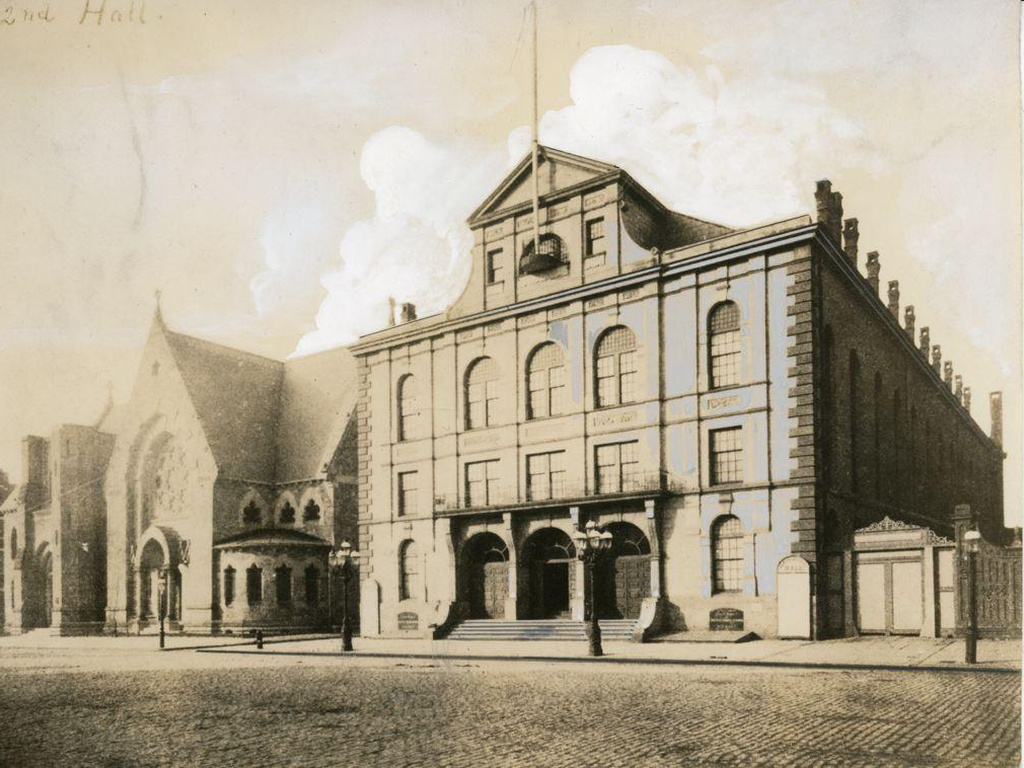
By 1867, PHS had grown sufficiently to build its own Horticultural Hall on Broad Street, establishing a prominent home for exhibitions and public gatherings. Over the next 50 years, three successive halls would occupy the same site. The first was destroyed by fire in 1881, and its replacement, designed by Philadelphia architect Addison Hutton, suffered the same fate in 1893. The second hall also welcomed events beyond horticulture, including an 1882 lecture by Oscar Wilde during his celebrated American tour.
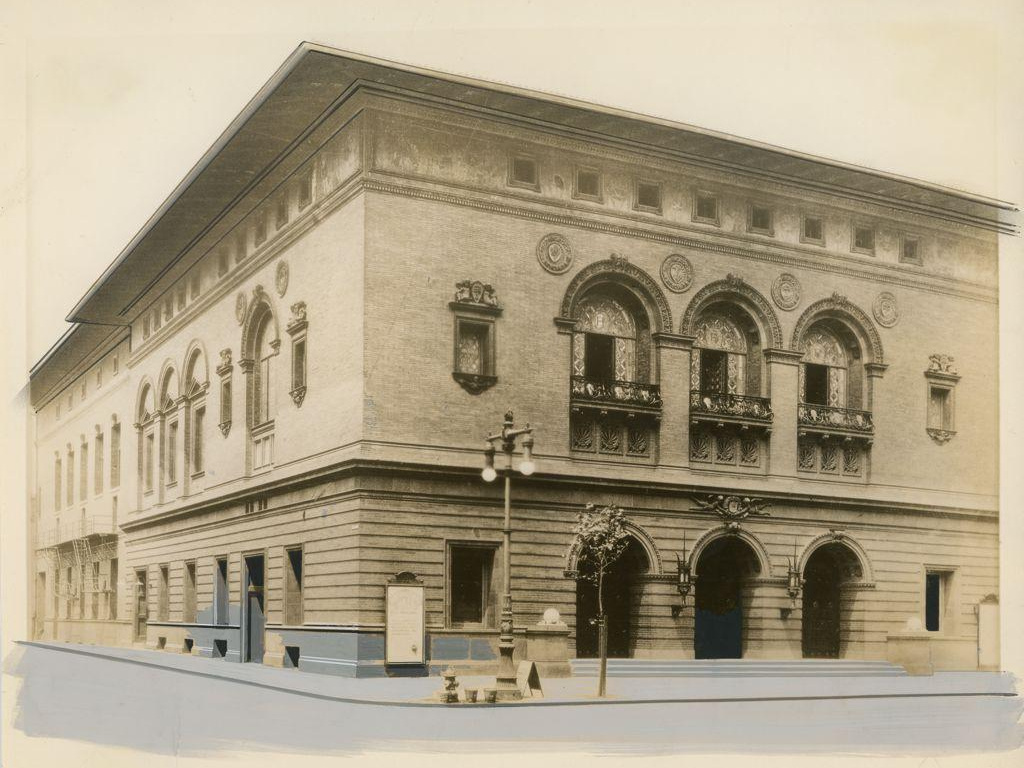
Undeterred, PHS commissioned a third building, designed by architect Frank Miles Day and completed in 1896. But despite its architectural ambitions, PHS struggled with declining membership and mounting financial pressures in the early 20th century. In 1917, PHS sold its final Horticultural Hall to settle its debts. The building was demolished that same year, but PHS’s story was far from over. The decades ahead would bring new leadership and an expanding sense of what it could accomplish.
When James Boyd became PHS president in 1919, he inherited an organization that had lost its longtime home and was struggling to regain its footing.
Boyd recognized an opportunity to rebuild by embracing amateur gardeners at a time when Philadelphia’s garden club movement was flourishing. Women had been involved with PHS for generations, but their influence was becoming increasingly visible. In 1919, Anna O’Keefe, known in records as Mrs. William Townsend Elliott, was among the first women elected to its executive council.
The shift helped transform an organization long dominated by professional growers into a more welcoming community of gardening enthusiasts. Boyd forged numerous connections and membership surpassed 1,000 for the first time. PHS was finding renewed strength in the people who shared its passion for plants.
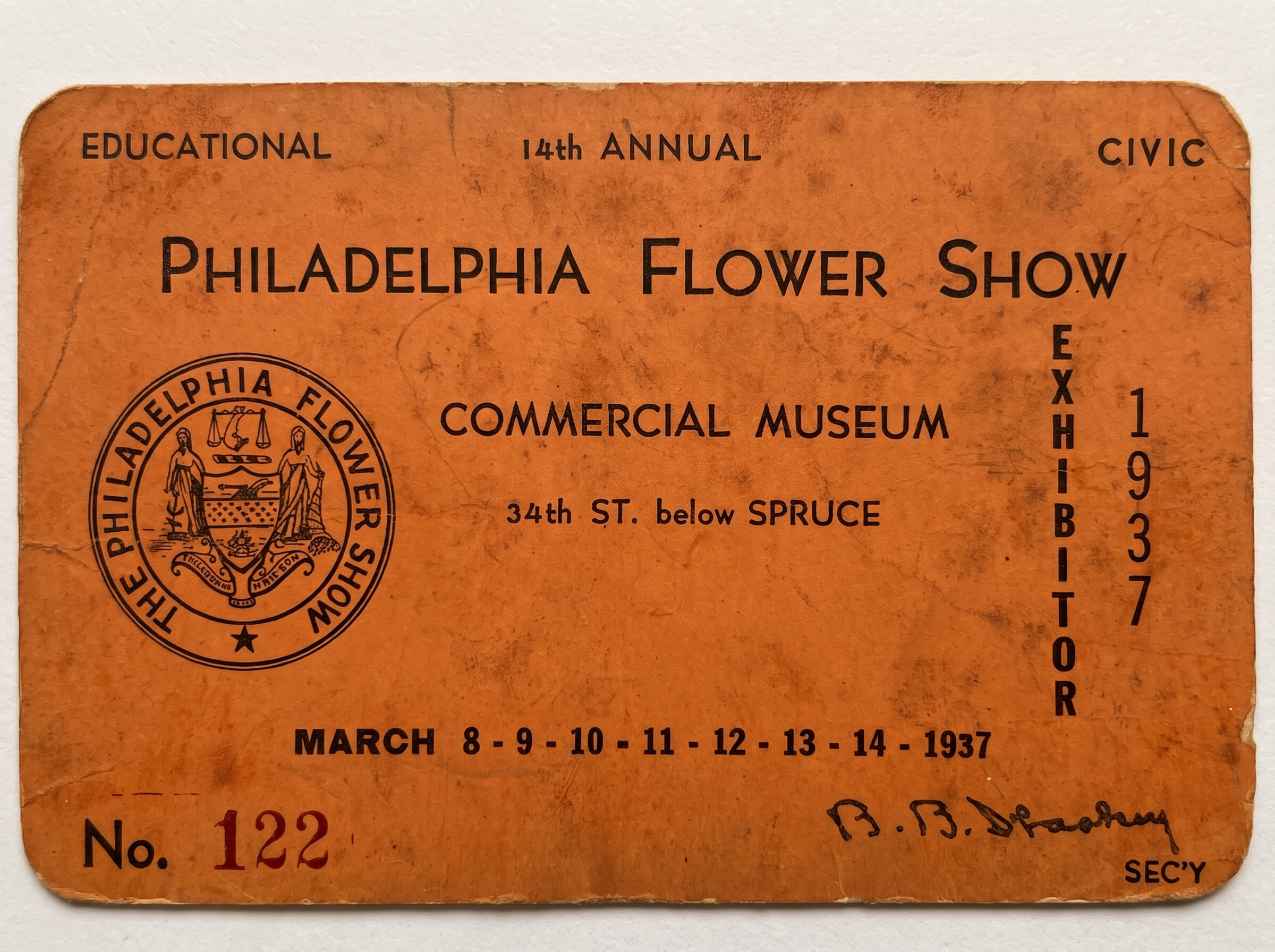
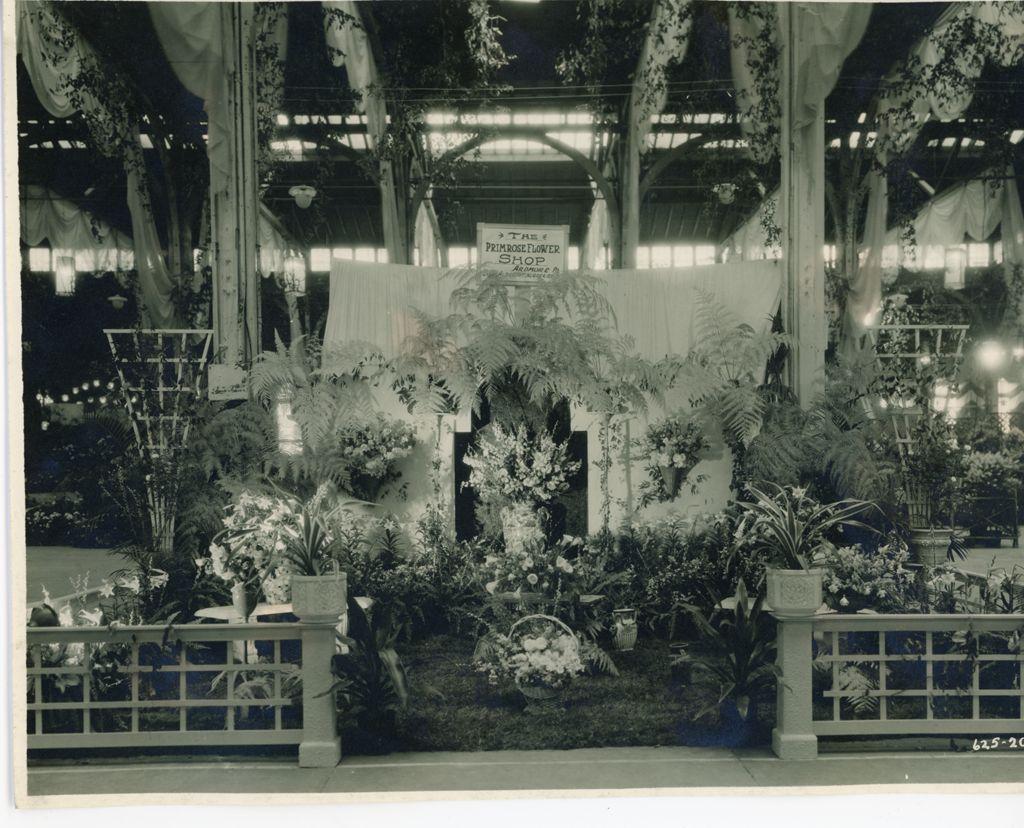
By the mid-1920s, PHS had joined forces with the Florist Club to stage ambitious spring exhibitions at the Commercial Museum in West Philadelphia. These larger public events laid the groundwork for the modern Philadelphia Flower Show, introducing more people to the artistry and excitement of horticulture.
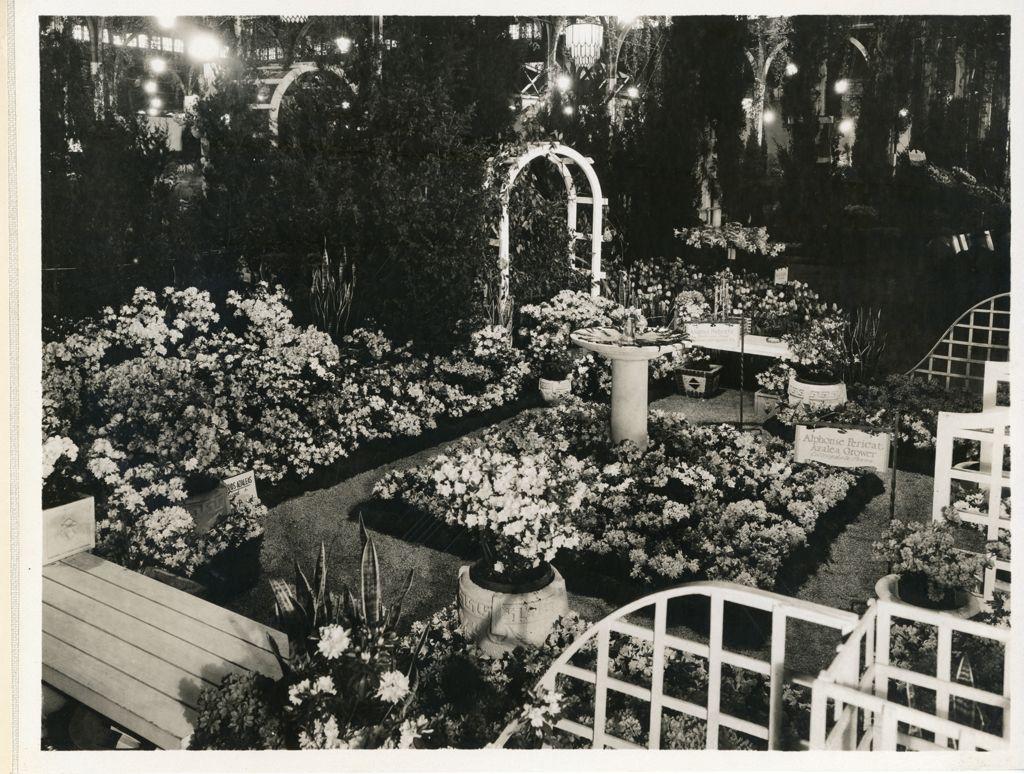
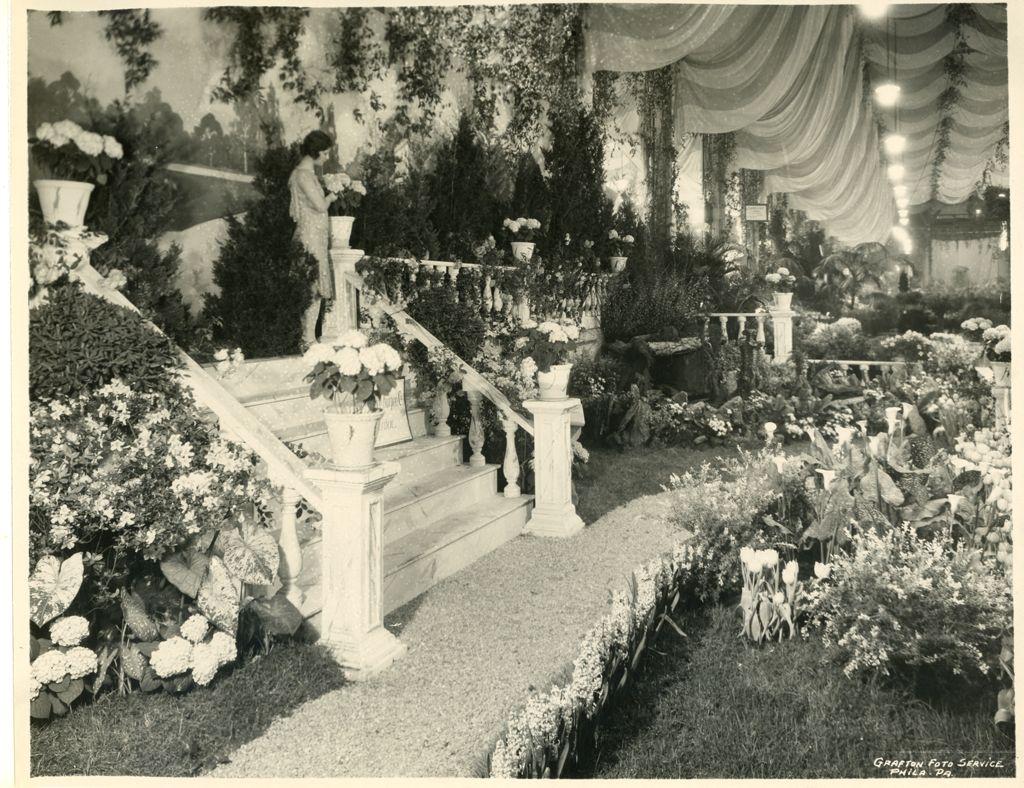
That commitment to sharing gardening knowledge continued under subsequent leaders, including C. Frederick Stout. In the 1930s, he hired Anne Wertsner Wood as PHS’s first field agent, sending her across Pennsylvania and neighboring states to give lectures and lead garden tours. Her work reflected a growing recognition that PHS’s influence could extend well beyond its exhibitions and membership.
But perhaps the most consequential transformation began when Ernesta Ballard took the helm in the 1960s.
Ballard recognized the Philadelphia Flower Show’s potential to become a major cultural attraction and persuaded the PHS board to assume full responsibility for its management. Under her leadership, the event flourished, attracting larger audiences and generating revenue that PHS could reinvest in its growing horticultural mission.
Ballard’s ambitions reached well beyond the exhibition floor. As Philadelphia confronted population loss, neighborhood disinvestment, and deteriorating public spaces, she began envisioning a different role for PHS, one that could bring the benefits of gardening into the daily lives of more Philadelphians.
In 1972, she articulated a vision that would help redefine PHS for generations to come:
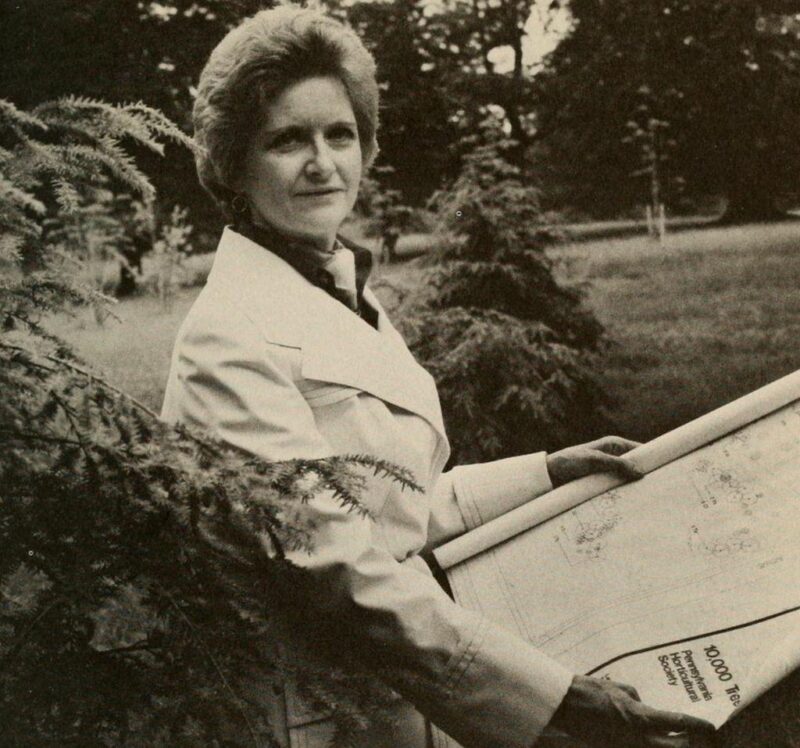
Ernesta Drinker Ballard, 1975
"I begin to see emerging the concept of an urban horticultural society serving the needs of a great city and its suburbs in an age when the quality of life is acknowledged to be of fundamental importance."
Ernesta Ballard
It was a pivotal idea for an organization approaching its 150th anniversary. PHS had spent generations advancing horticultural knowledge and inspiring appreciation for plants. Ballard saw how that expertise could also help address the challenges facing Philadelphia, laying the groundwork for a new era of community greening.
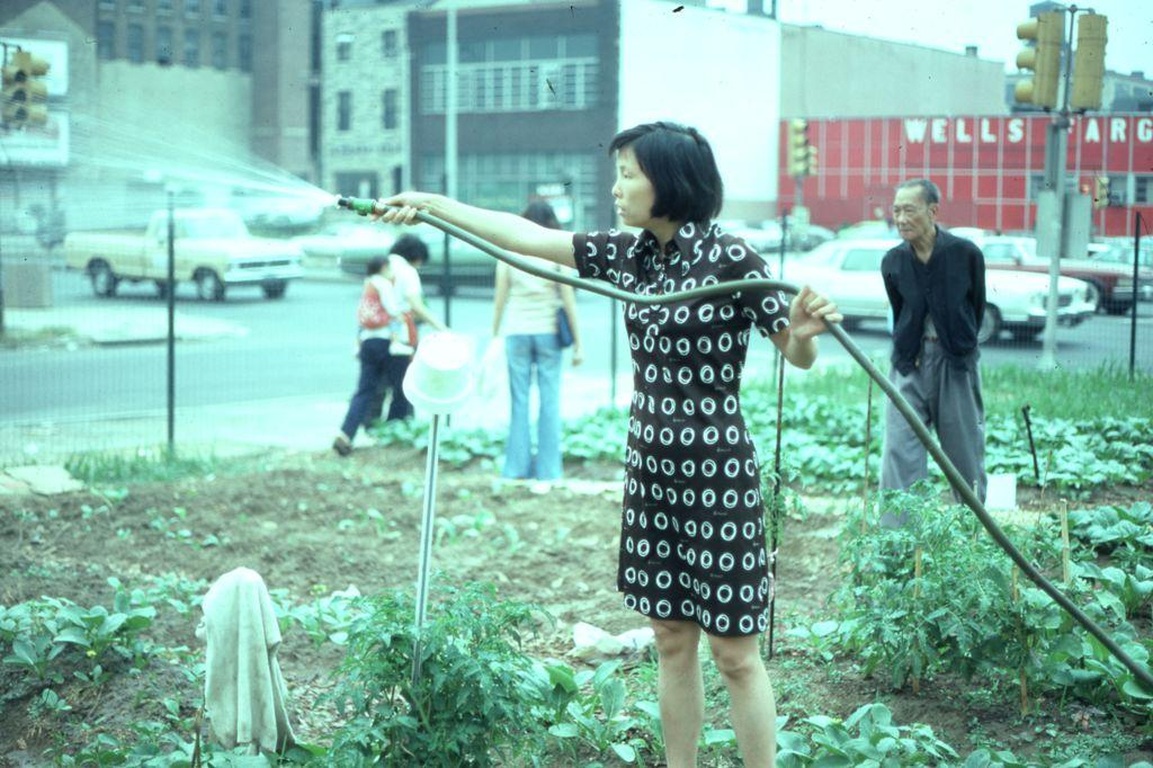
By the 1970s, Philadelphia was confronting the effects of population loss and disinvestment. Vacant properties were becoming increasingly common, and many neighborhoods lacked the resources to maintain their green spaces. Yet residents were finding new possibilities in vacant land, turning empty parcels into productive gardens and places for neighbors to gather.
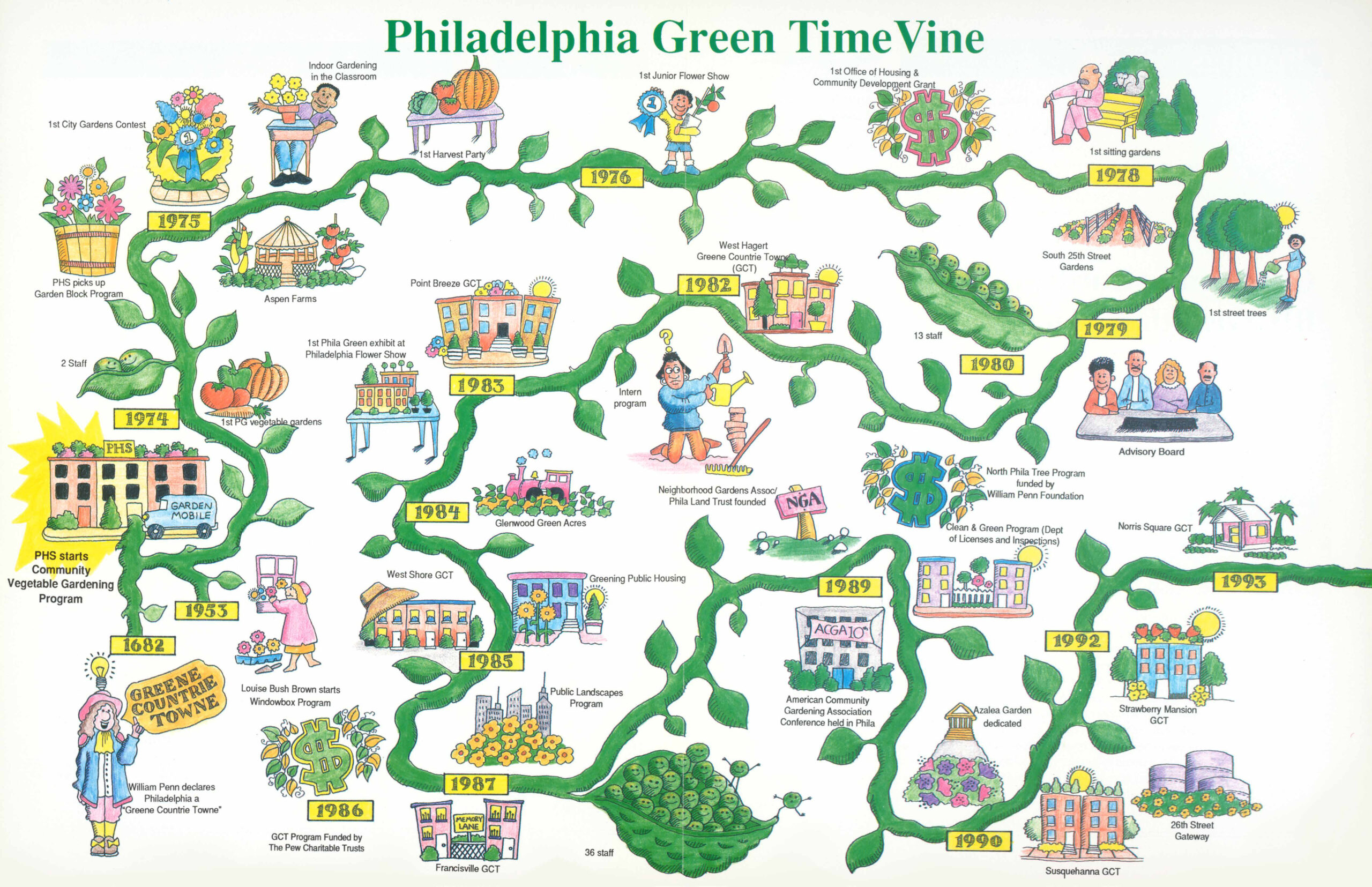
PHS began developing community greening projects in 1973, working alongside residents and neighborhood organizations already finding ways to improve their surroundings. By 1975, it was supplying soil, fencing, seeds, and vegetable transplants to 35 community gardens to help with growing fresh food.
A major expansion came in 1978, when support from the city’s Office of Housing and Community Development helped PHS bring more horticultural resources into neighborhoods. The work became known as Philadelphia Green, a program that would reshape the organization’s role in Philadelphia for decades.
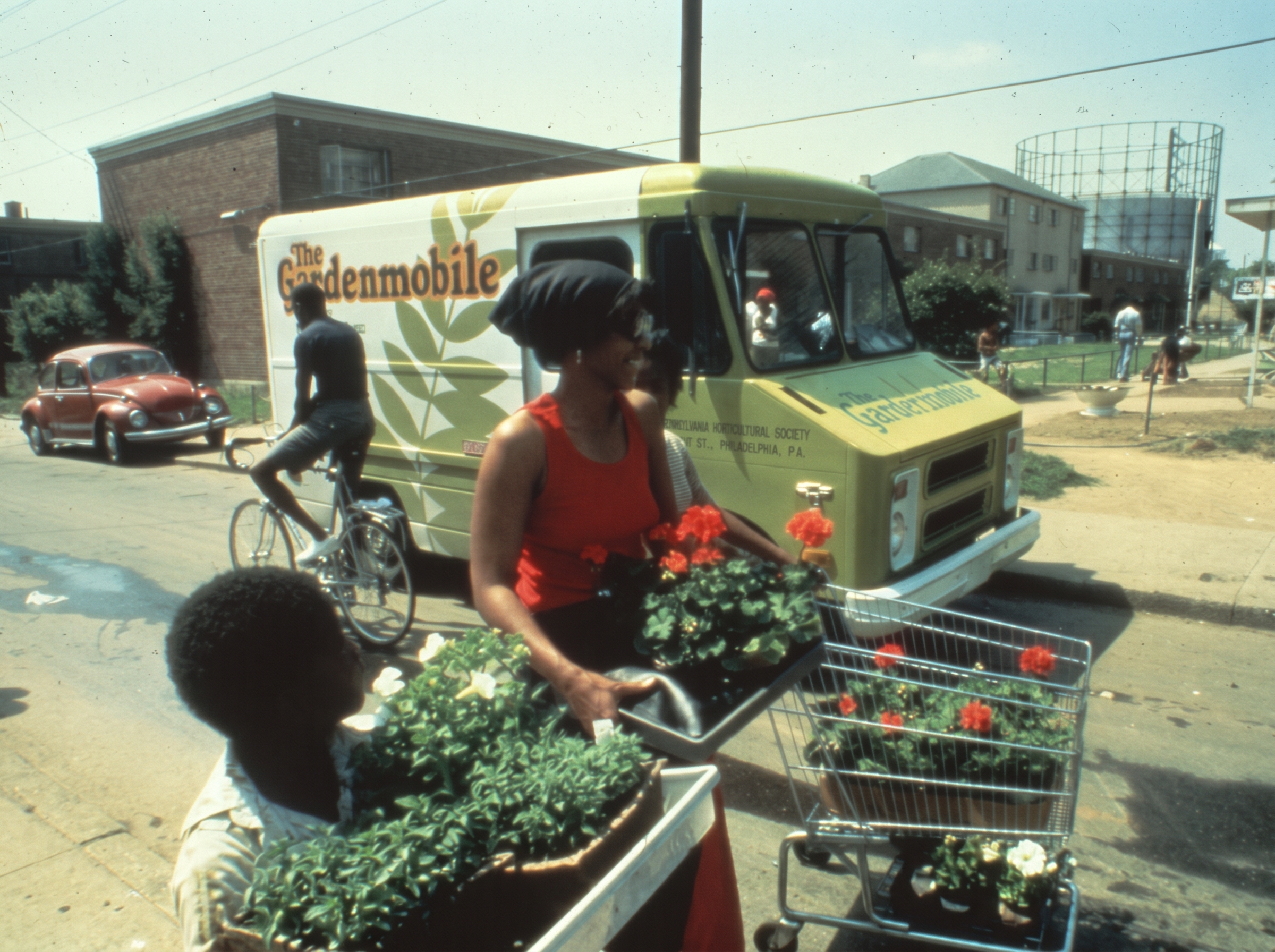
The partnership also demonstrated how public investment in gardening could contribute to neighborhood revitalization. PHS’s new community gardens offered residents places to grow food and gather. Its new tree plantings brought greenery to streets, while the Gardenmobile delivered practical horticultural education and supplies directly to neighborhoods in a brightly colored van. By the conclusion of the 1982 spring season, PHS supported 43 vegetable gardens, 17 garden blocks, 27 street tree/curbside planter blocks, and 16 sitting gardens.
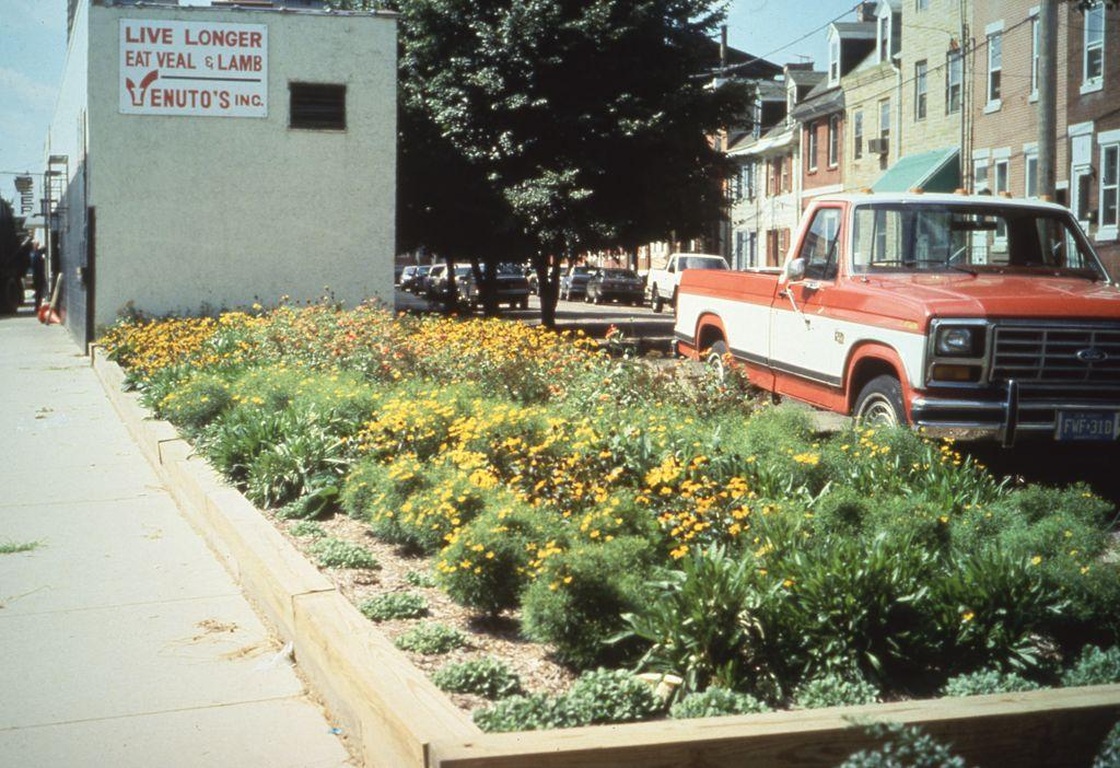
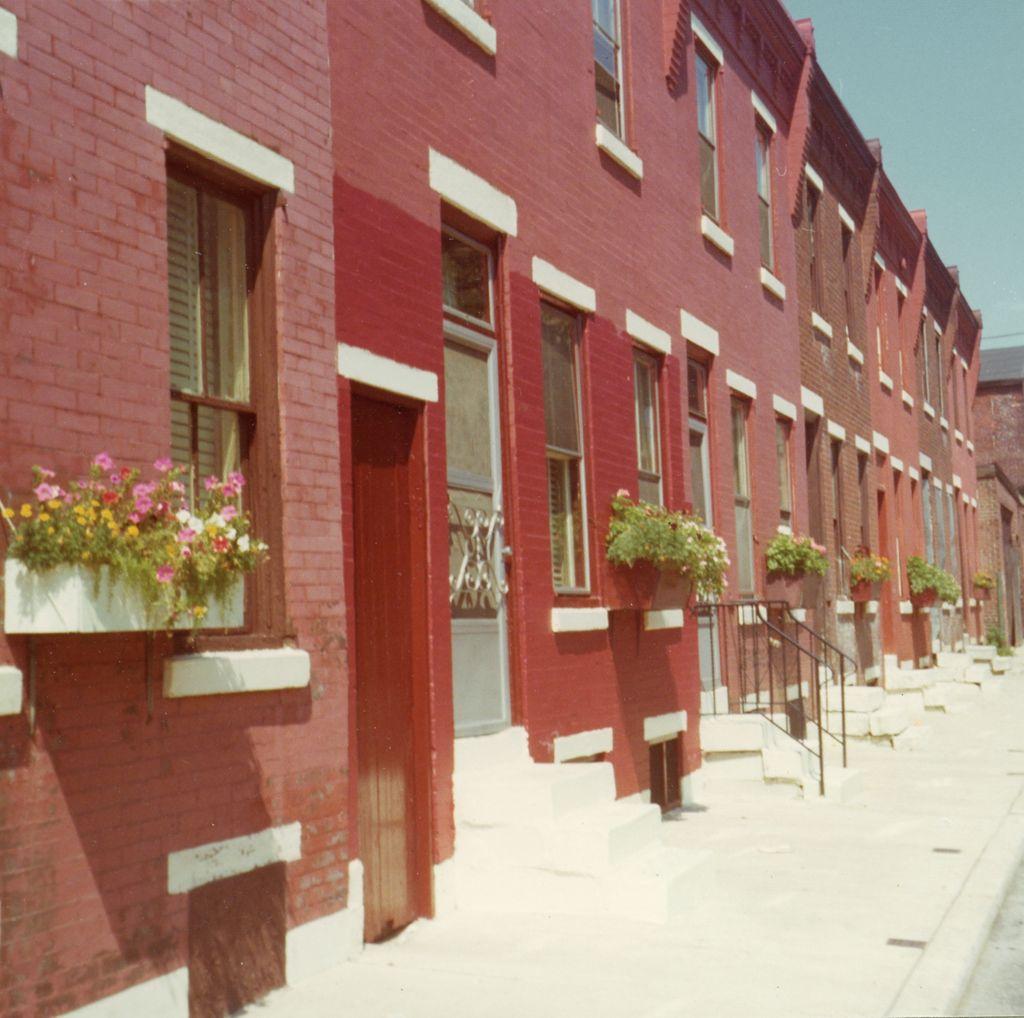
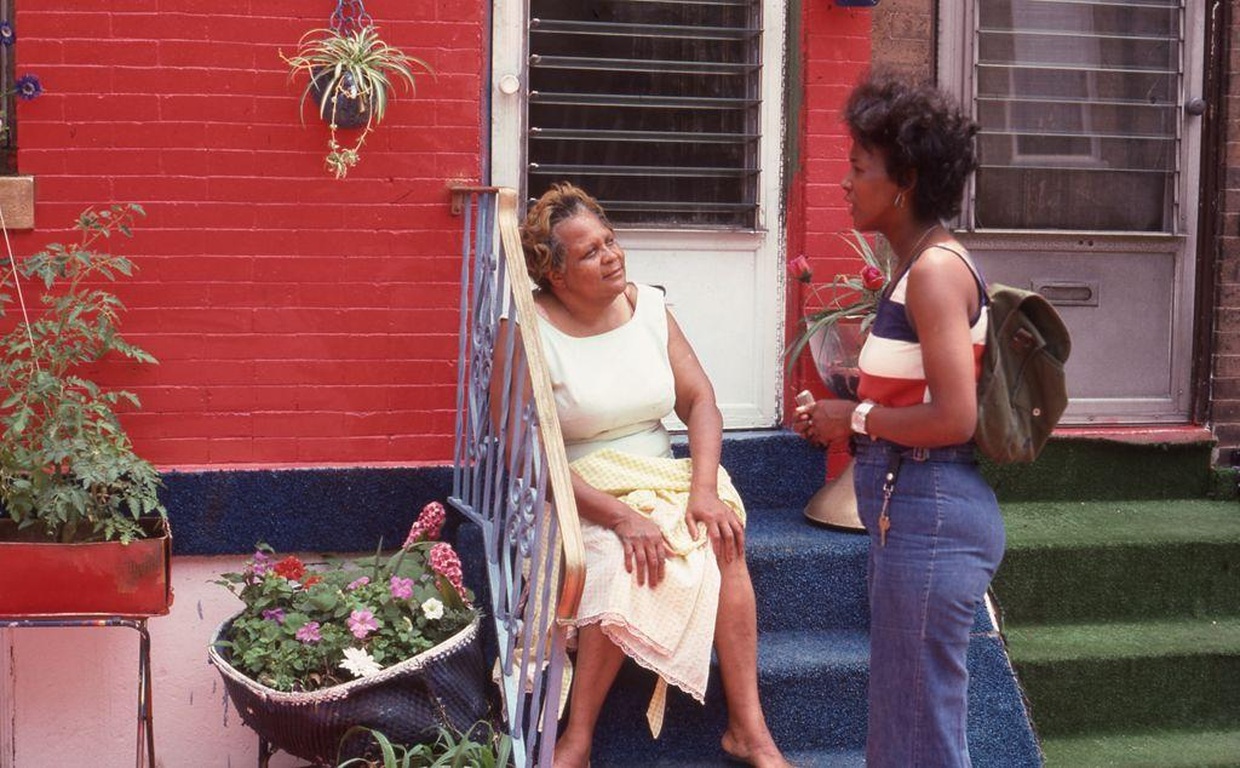
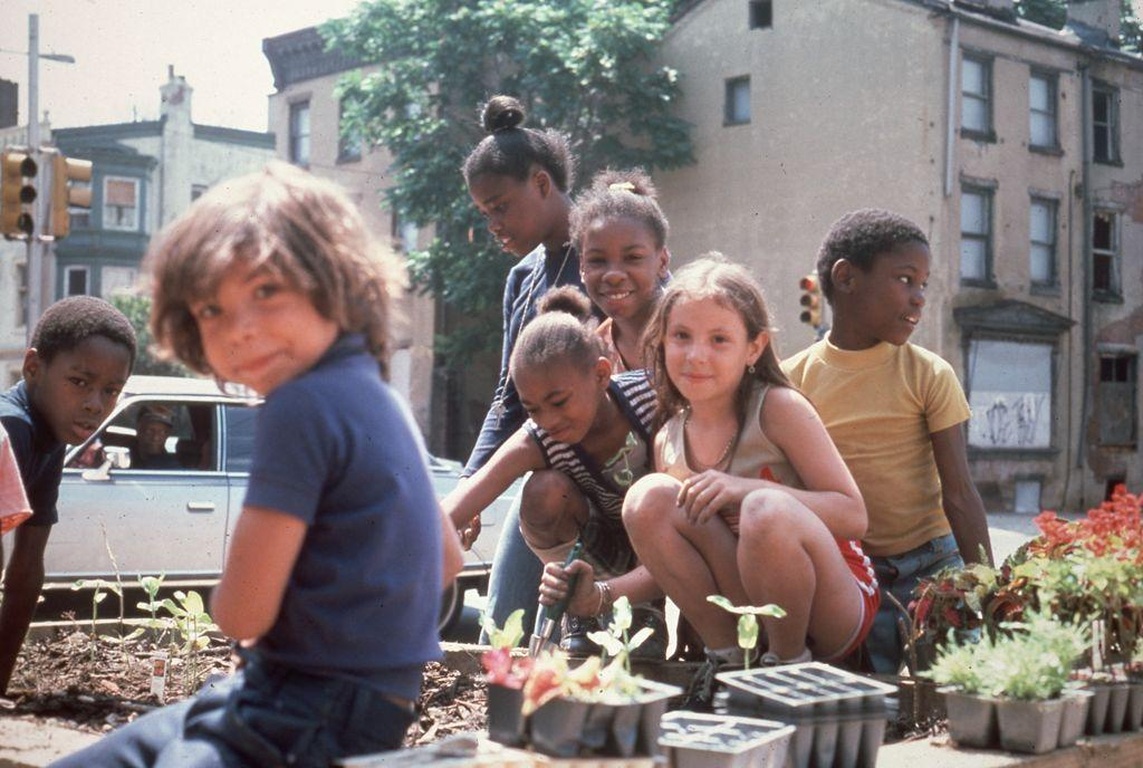
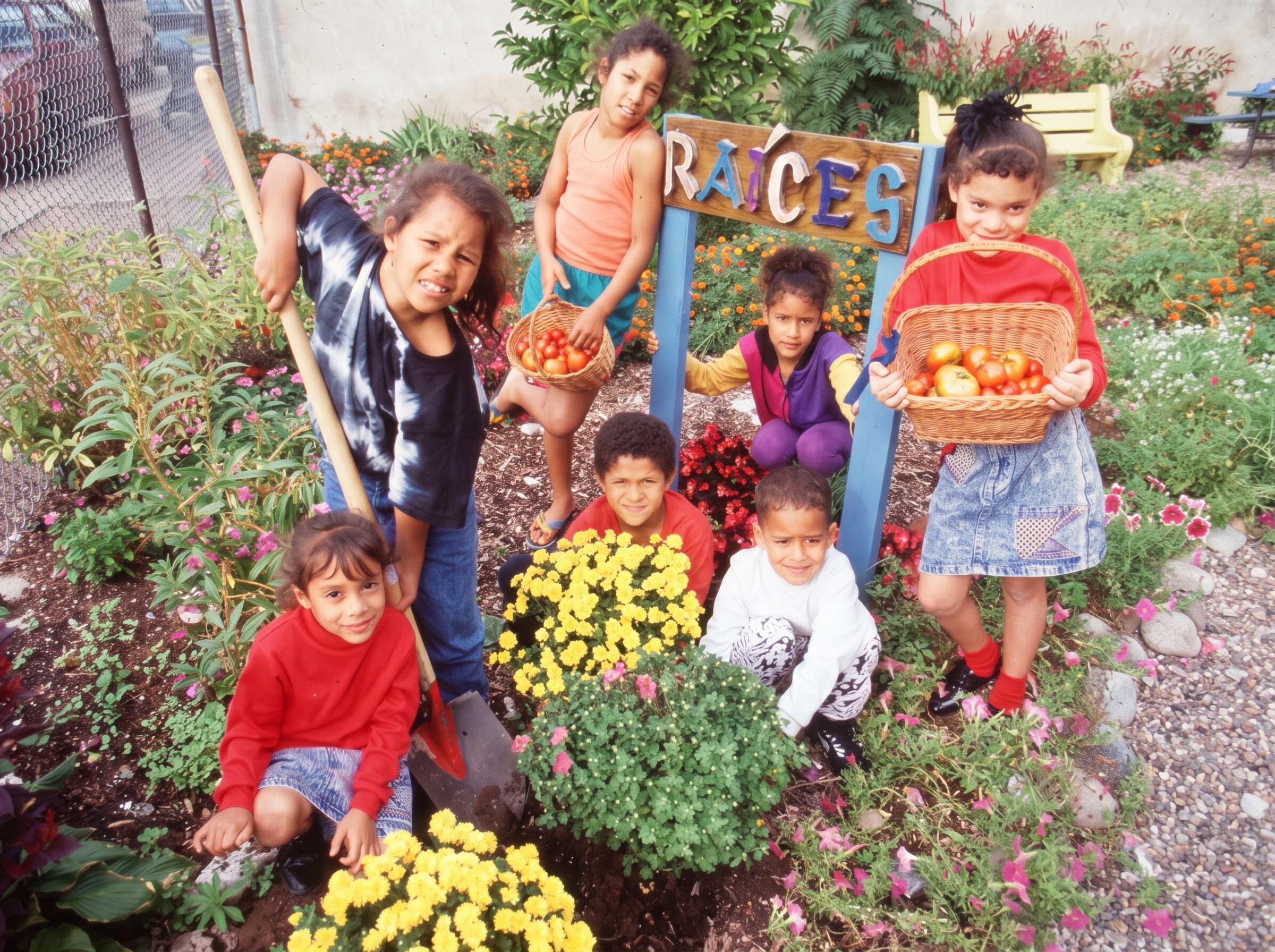
Throughout the1980s, Philadelphia Green began concentrating its efforts in designated neighborhoods through the Greene Countrie Towne initiative. Inspired by William Penn’s original vision of Philadelphia as a green city, the program brought residents and community partners together around neighborhood improvements. Rather than treating each garden or planting as an isolated project, the initiative encouraged sustained investment across entire communities.
The growing civic importance of gardening was evident in 1983, when all seven candidates for mayor of Philadelphia attended the PHS City Gardens Contest kickoff. Rather than gathering at City Hall, they met at the Garden of Eatin’, a community garden at 25th and Dickinson Streets in South Philadelphia.
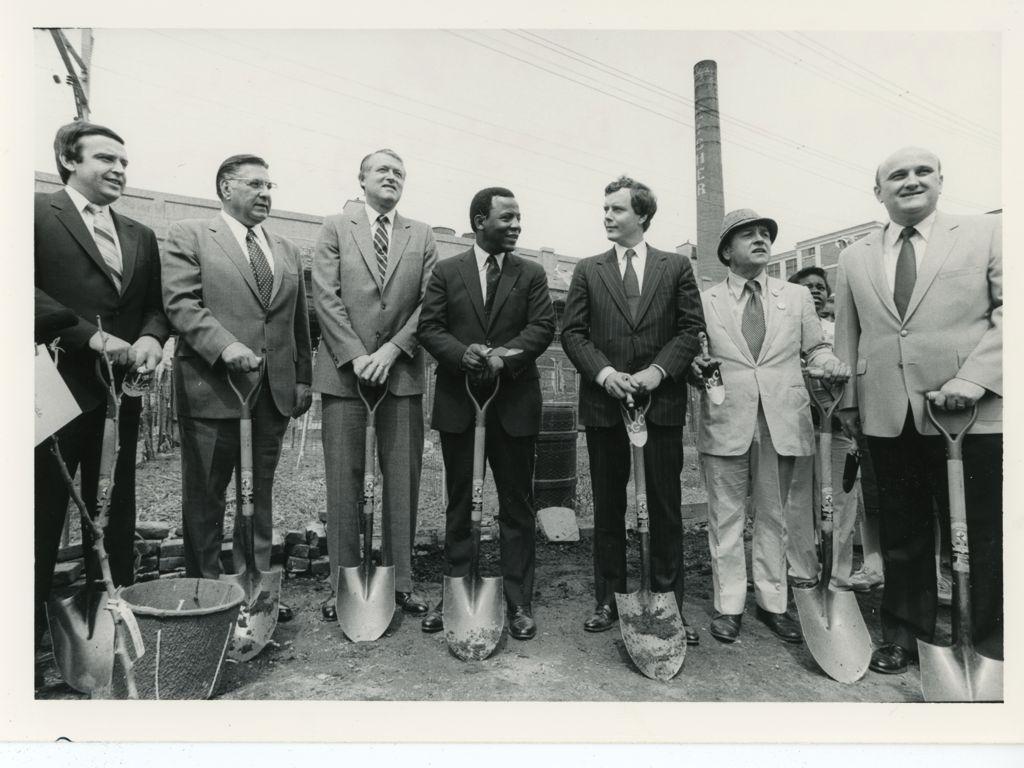
It was a remarkable moment: a neighborhood garden had become a setting for the city’s political conversation, reflecting the recognition that residents’ efforts to improve their surroundings mattered to Philadelphia’s future.
When Jane Pepper became PHS’s leader in 1981, she helped build on Ballard’s vision. The Philadelphia Flower Show expanded its reach and eventually moved to the Pennsylvania Convention Center, attracting larger audiences and generating resources to support the organization’s work throughout the city.
Under Pepper’s leadership, PHS also took on increasingly ambitious public landscape projects. In 1988, it began restoring the Azalea Garden near the Philadelphia Museum of Art. Originally created by PHS in the early 1950s as a gift to the city, the garden had fallen into disrepair. Its renewal demonstrated how horticultural expertise could help restore some of Philadelphia’s most cherished shared spaces.
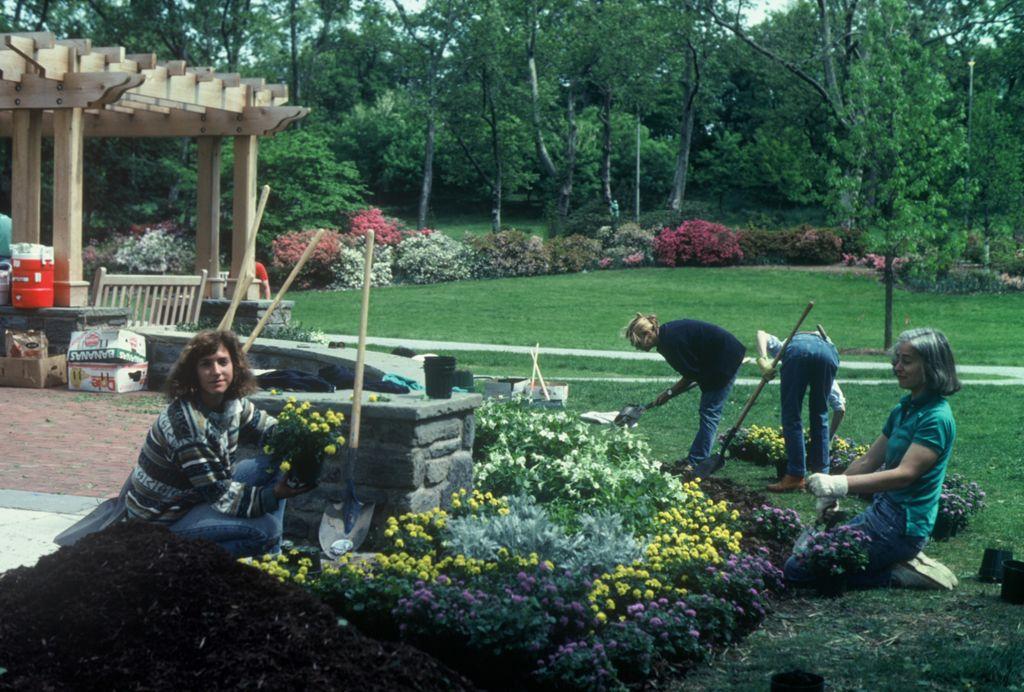
Other projects brought new attention to prominent city gateways, including the 26th Street corridor traveled by visitors arriving from Philadelphia International Airport. The work reflected a growing ambition to improve not only individual gardens, but the experience of moving through Philadelphia itself.
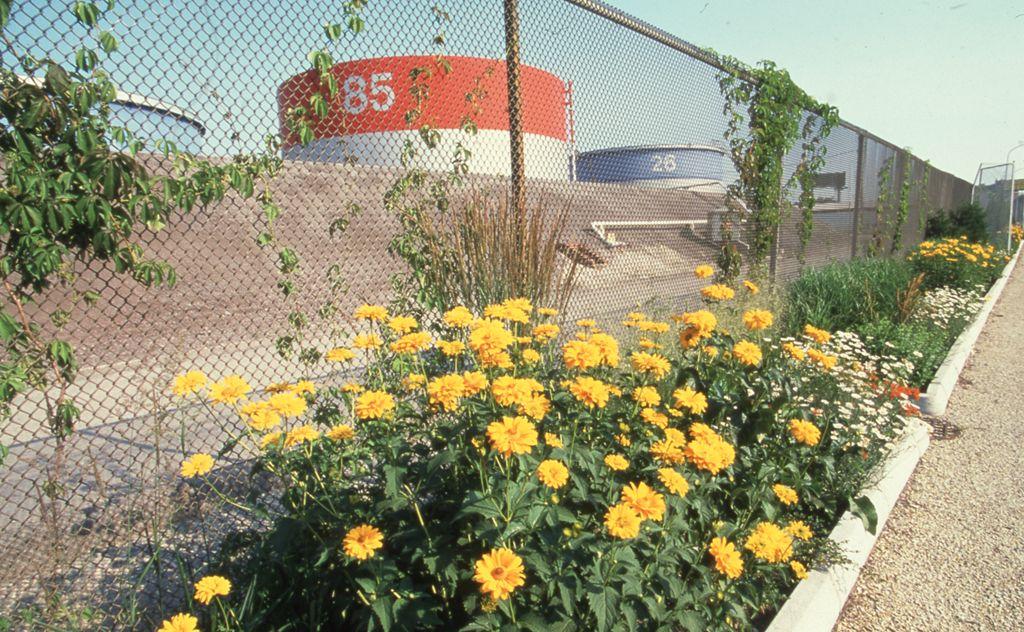
By the 1990s, Philadelphia Green was increasingly working with community development corporations and neighborhood organizations to make gardens and open space part of larger revitalization efforts.
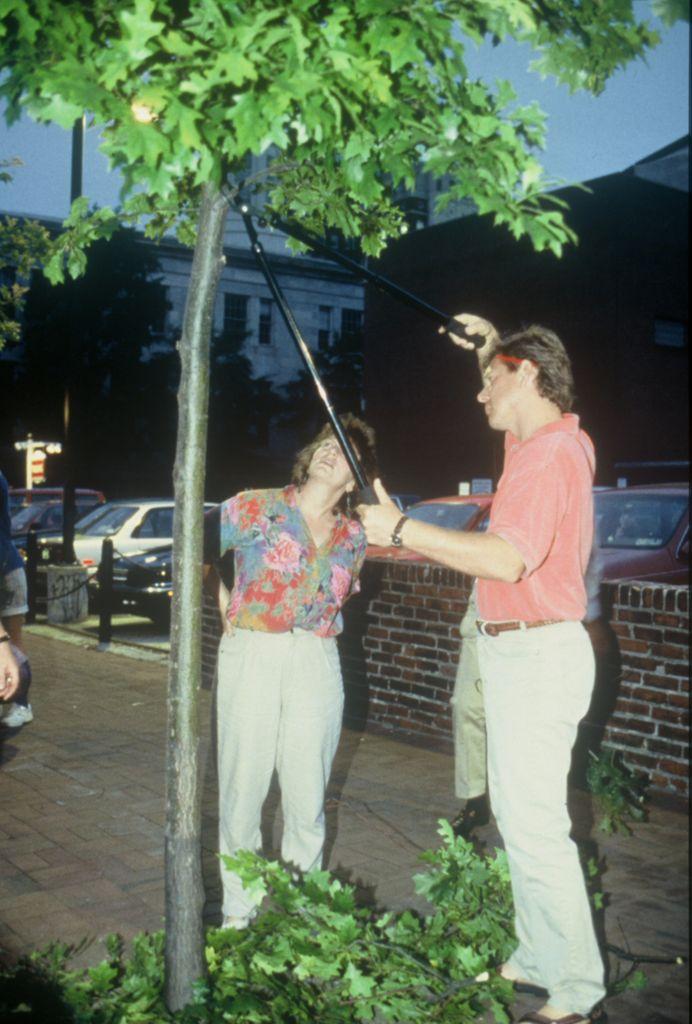
The launch of Tree Tenders in 1991 gave volunteers practical training in planting and caring for street trees. Garden Tenders followed in 1996, extending similar support to community gardeners. These programs helped establish a network of residents equipped to sustain improvements long after the initial planting.
PHS’s work on vacant land also grew in scale. In 2002, Philadelphia adopted PHS’s Green City Strategy as part of its Neighborhood Transformation Initiative, making maintained green space an important element of the city’s approach to revitalization. That work would evolve into today’s PHS LandCare program.
What Ernesta Ballard had envisioned decades earlier had taken shape: a horticultural society whose expertise could improve the quality of life across an entire city.
To understand PHS today, consider a vacant lot in a Philadelphia neighborhood.
Where there may once have been debris, overgrown weeds, or neglected land, a cared-for green space can change how a block looks and feels. Neighbors have a more welcoming place to gather, and residents can take greater pride in their surroundings.
Through PHS LandCare, approximately 12,500 vacant parcels are maintained. Working with local partners, PHS helps turn vacant land into cared-for green spaces that contribute to healthier neighborhoods and encourage residents to take pride in the places they call home.
For West Philadelphia resident Shelia Parker, the change is visible in the children who now take an interest in a once-neglected lot. “Where children tossed empty cans in a once-neglected lot, they now feel ownership of the space. They come by and say, ‘Mrs. Parker, the grass is getting kind of high.’… It’s about the best thing that could have happened.”
That sense of shared ownership is central to PHS’s work, whether it begins with a vacant lot, a neighborhood tree, or a garden.
Through Tree Tenders, residents gain the skills to plant and care for trees that bring shade and environmental benefits to their streets. At PHS-supported community gardens, growers cultivate fresh food for their households and neighbors, strengthening local food networks. Workforce Development programs create opportunities for participants to build horticultural skills and pursue careers in the green industry. In each case, PHS provides the expertise and resources that help people make a lasting difference in their communities.
Merissa MacDonaldThey're having fun, learning and planting trees
it is also teaching them about timeliness and how to conduct themselves.
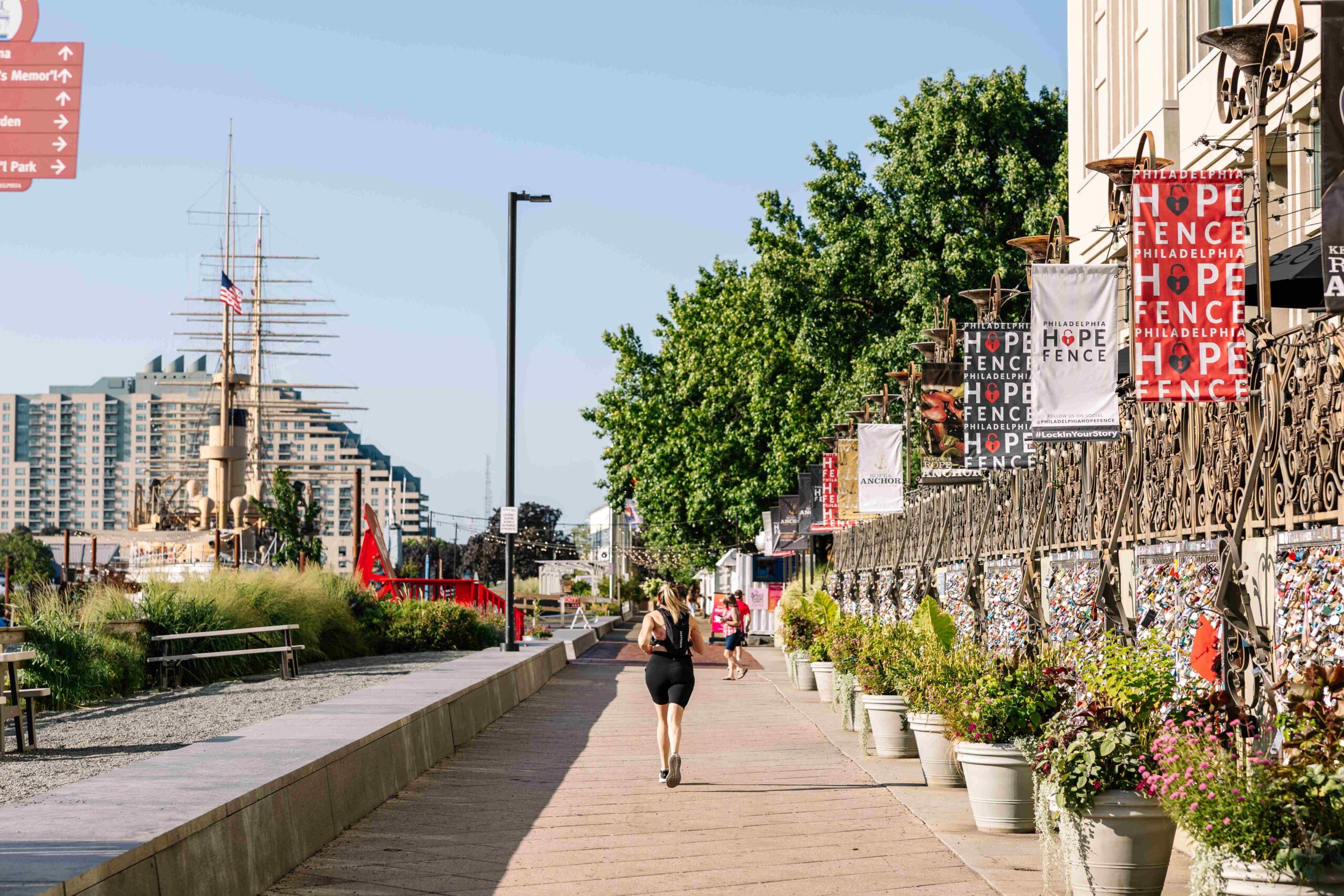
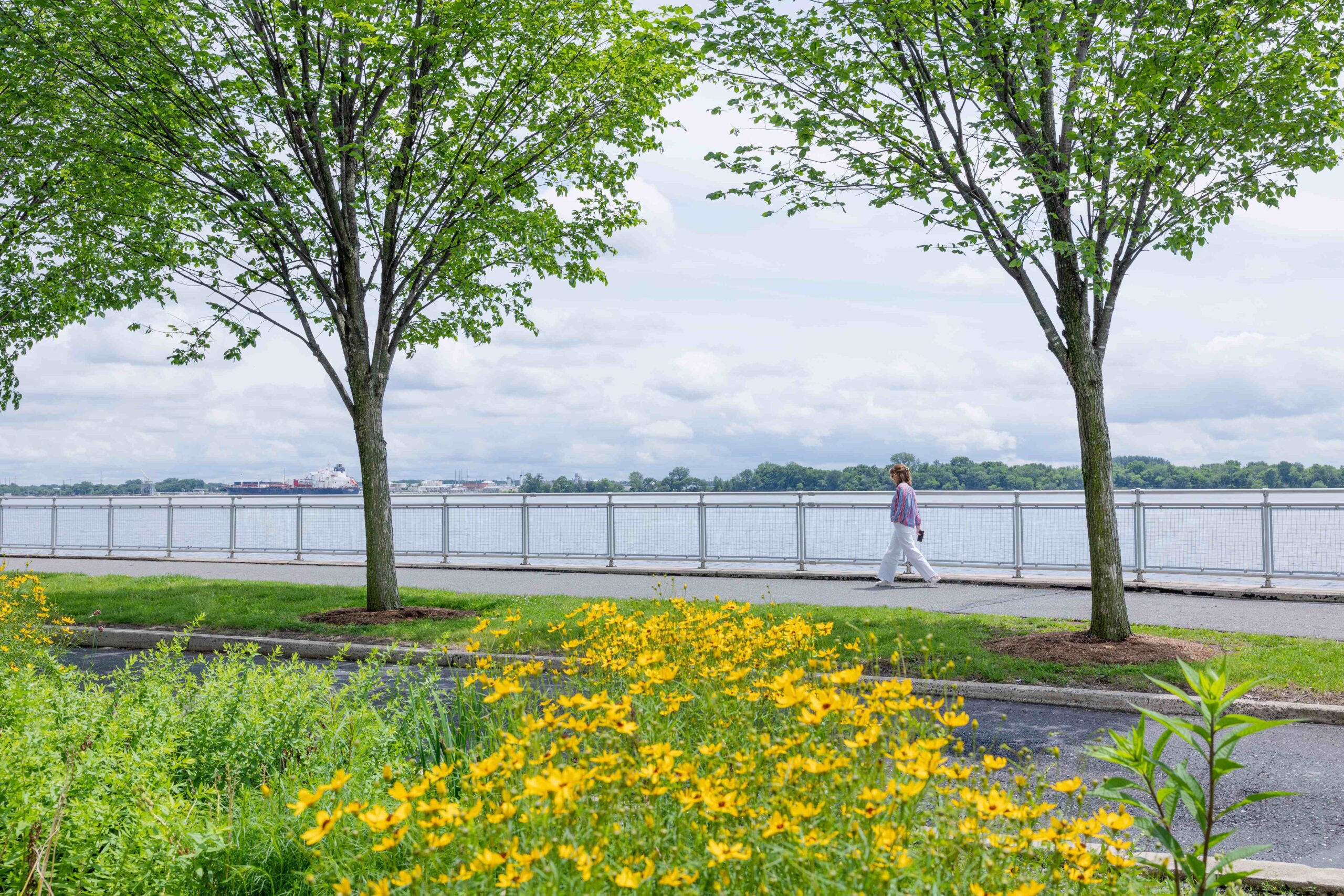
PHS also creates and cares for some of Philadelphia’s most recognizable public landscapes, including the green spaces at the Delaware River Waterfront and The Navy Yard. Their beauty is part of what makes Philadelphia a more welcoming place to live and visit, offering opportunities to experience nature in the heart of the city.
Together, these efforts bring PHS’s mission to life: PHS unites people and plants to create a healthy, beautiful, and joyful world. 200 years after its founding, PHS continues to put horticultural knowledge into people’s hands, helping more residents experience what gardening can make possible for themselves and the places they share.
As PHS has evolved over two centuries, so have the symbols that represent it. From the classical image of Pomona, the Roman goddess of fruit growing, to the familiar gardener planting a seedling and the tree emblem that followed, each has reflected a different chapter in the Society’s history.
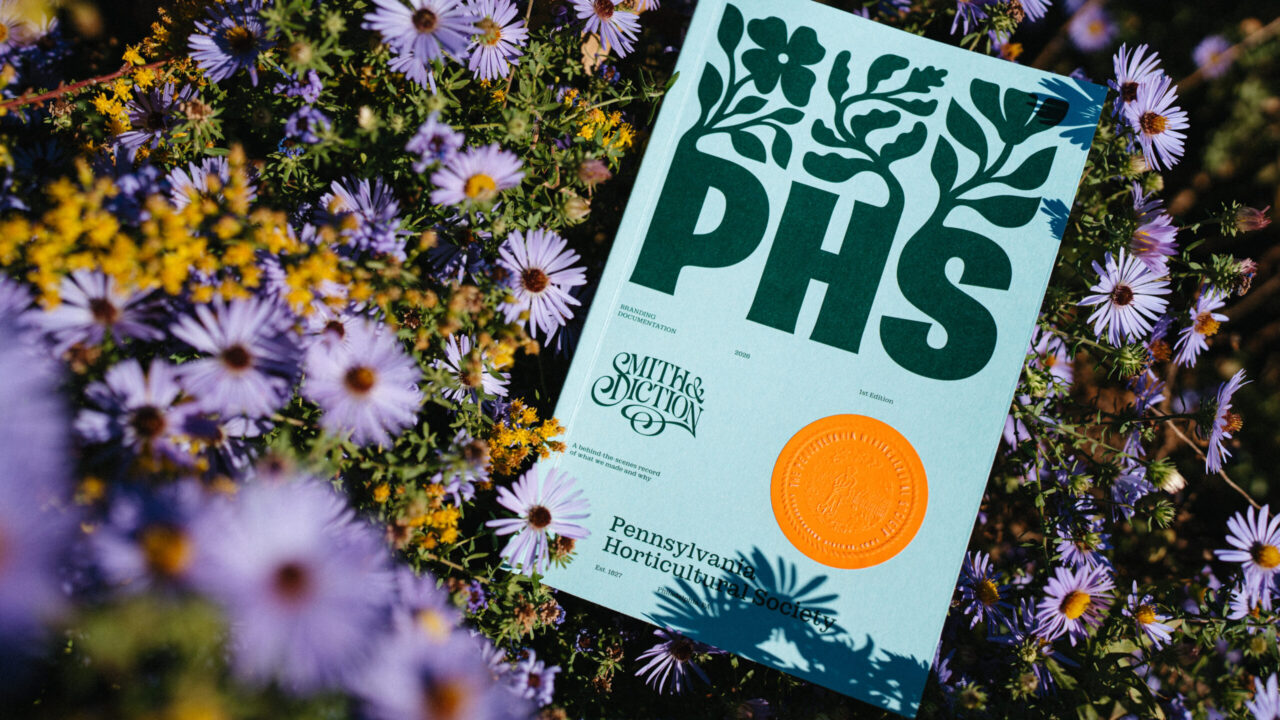
Now, as PHS approaches its third century, a refreshed brand identity captures the full breadth of its work and the people who bring it to life. Developed with Philadelphia-based creative studio Smith & Diction, the new look draws inspiration from the natural world and the city where PHS began, bringing a fresh expression to an enduring belief in the power and possibilities of gardening.

Under the leadership of current president Matt Rader, PHS is building on that history with an increasingly evidence-informed approach to gardening’s role in improving lives. Research into the relationships between green space, public health, environmental conditions, and neighborhood well-being is helping inform how it directs its expertise and resources.
For PHS, the opportunity is to make those benefits more widely available, particularly in communities where access to healthy, well-maintained green spaces has historically been limited.
The success of this approach also depends on the people who bring it to life. PHS partners with residents, volunteers, public agencies, community organizations, and supporters who bring their own knowledge and aspirations to the places they care about. Its horticultural expertise helps turn those ambitions into lasting results, whether through public landscapes, community-led projects, or programs that introduce new generations to gardening.
The Philadelphia Flower Show remains an extraordinary expression of its enduring expertise and imagination. Each year, it brings together gardeners, designers, growers, and visitors to experience the possibilities of the plant world. Beyond the Show, those ideas find practical application throughout the region while helping to sustain PHS’s year-round mission, continuing a relationship between horticultural celebration and civic investment that began under Ernesta Ballard.
Today, the organization is drawing on two centuries of experience to pursue an ambitious idea: that gardening is an essential part of how Greater Philadelphia creates healthier environments and stronger communities.
Two hundred years is an incredible legacy for PHS but what excites me most is what we can accomplish in the next hundred. We know that gardening can do far more than beautify a place. It can transform neighborhoods and strengthen the connections people have to their homes. Our ambition is to make that kind of impact possible for more people and in more places than ever before.
Matt Rader, President of PHS
For PHS, the 200th anniversary is both a celebration of Philadelphia’s extraordinary gardening heritage and an opportunity to imagine what the next century could make possible. However, that future comes with pressing challenges. Climate change, unequal access to green space, and the need for healthier neighborhoods make gardening’s role more relevant than ever.
PHS’s new Third Century Strategic Plan provides a foundation for responding to those challenges, guided by a vision of every person, every place, gardening for the greater good.
It is an ambitious idea, but one grounded in two centuries of experience. PHS has seen how gardening can bring people together, create opportunities, and improve the shared spaces that shape daily life. The challenge ahead is to make those benefits available to more people.
For Rader, the plan represents an opportunity to build on what PHS has learned while extending its reach and deepening its impact. The priorities ahead will require continued collaboration, investment in horticultural expertise, and new ways to connect more people with the benefits of gardening. Throughout 2027, PHS will share stories and create experiences to celebrate its history and discover its work firsthand. The anniversary will also provide a platform for sharing the priorities and aspirations that will guide the organization’s future.
“We have an opportunity to make gardening an even greater part of how our region grows and thrives. That future will be shaped by the people who believe in this work and choose to be part of it,” said Matt Rader, President of PHS.
In many ways, that invitation echoes the newspaper notice that brought PHS’s founders together in 1827. What began with a group of Philadelphians sharing an interest in horticulture has grown into a community of gardeners, neighbors, volunteers, and supporters whose collective efforts continue to shape the region.
The next chapter will be written by the people who join them.